
IPNET · Intermediate + national entrance preparation
IIT JEE coaching with
Intermediate MPC.
At Sri Amogha Junior College in S R Nagar, Hyderabad, academic ambition sits alongside an education that helps a student grow.
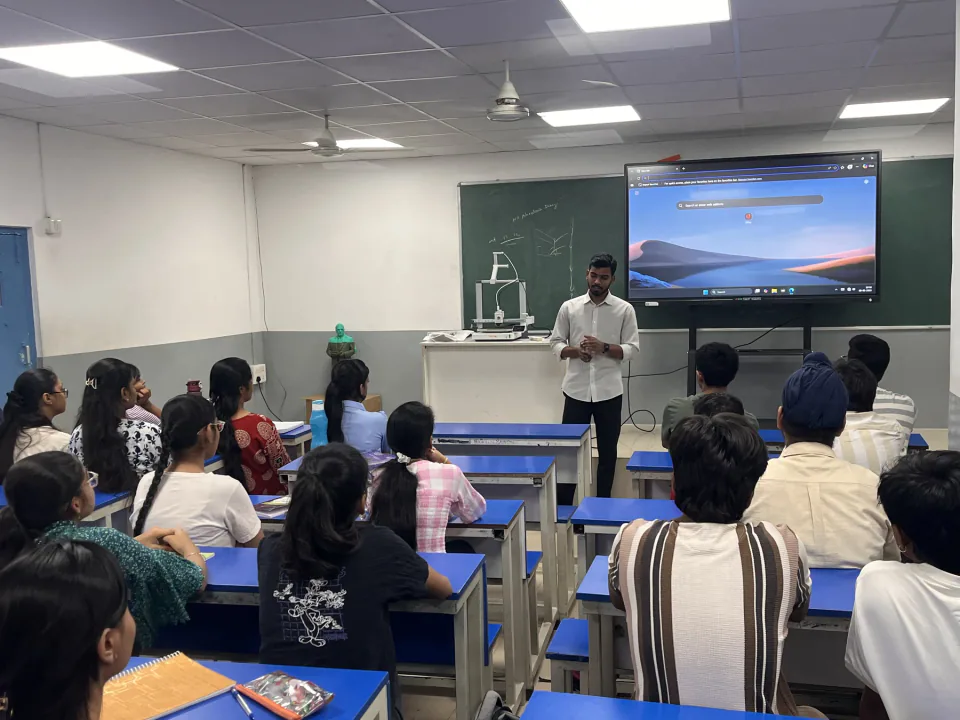
Two academic years
MPC, with a clear entrance route.
Study Mathematics, Physics and Chemistry for Intermediate alongside preparation for JEE Main and JEE Advanced through IPNET, the Integrated Program for National Entrance Tests.
Explore MPC subjects →Make the plan specific
Understand the work ahead.
Meet the academic team to discuss the syllabus, practice and revision, assessment approach and study expectations for the 2027–28 batch. Science college hours are 8:30 am to 5:30 pm.
Bring your current academic work and questions. The conversation should help you understand the programme and the commitment it asks of you.
Career readiness. Life readiness.
Ambition, with room to grow.
Career counselling, Art of Living’s Medha Yoga and student-led activities sit within the wider SAJC experience.
Questions worth asking
Before you choose.
Is this IIT JEE coaching with Intermediate, or a separate course?
The current offer is IPNET, a two-year integrated programme combining Intermediate MPC with JEE preparation. Discuss the batch plan, practice and assessment arrangements with the academic team.
How should we compare the best IIT JEE colleges in Hyderabad?
Compare the actual subject teaching, scope of preparation, review of student work, daily routine and evidence of outcomes. Ask which results relate to IPE and which relate to entrance examinations. Visit the college with the student.
Does an IIT alumnus in the directory mean an IIT JEE coaching selection?
No. The alumni directory records where former SAJC students went on to study, with their course shown. A design admission at an IIT, for example, should not be presented as a JEE engineering result.
Career options after MPC
Where maths and science can take you.
If you like maths and enjoy finding out how things work, MPC opens up many study options. You can explore engineering, computers, data, design and research. Think about the problems you would like to solve, then look at the courses that can help you get there.
Open a field below to see the study options and questions to check.
Computing, software and AI
Build useful digital tools and explore how intelligent systems work.
Further study: B.E./B.Tech in computing; eligible B.Sc or BCA routes.
Check subject/entrance requirements. AI also needs sound foundations and practical work.
Cybersecurity and digital systems
Investigate how organisations protect information, networks and online services.
Further study: Computer science, IT, cybersecurity or related degrees.
Roles range from technical security to risk/governance; specialist skills develop beyond the degree.
Electronics, chips and communication
Explore the circuits, sensors and communication systems inside technology.
Further study: Electronics, electrical or communication engineering.
The chosen engineering degree and institution determine entry requirements.
Machines, robotics and vehicles
Work on how machines move, manufacture and respond.
Further study: Mechanical, mechatronics, automobile or related engineering.
Robotics combines mechanics, electronics and programming; compare the actual curriculum.
Buildings, roads and cities
Help improve structures, transport, water systems and the built environment.
Further study: Civil engineering or related infrastructure study.
Professional responsibilities require appropriate qualifications and applicable approvals.
Energy and environmental technology
Explore cleaner energy, efficient systems and technical environmental solutions.
Further study: Electrical, mechanical, chemical, environmental or related degrees.
Specialisation may come later; this work is not confined to one degree title.
Architecture, planning and design
Combine technical understanding with an interest in spaces or products.
Further study: B.Arch, B.Planning or suitable B.Des routes.
These have different rules. B.Arch has specific subjects/aptitude requirements; B.Des eligibility varies.
Physical sciences and research
Follow questions in Physics, Chemistry, materials or space sciences.
Further study: B.Sc, BS or integrated science degrees; further specialist study.
Research careers commonly need postgraduate training; check subject requirements.
Mathematics, statistics and risk
Use numbers and models to understand uncertainty and make decisions.
Further study: Mathematics/statistics/data degrees or an actuarial qualification pathway.
Quantitative degrees often require Mathematics; actuarial qualification involves further professional exams.
A conversation from Safar
Engineering and technology
Hear professionals discuss this field at SAJC’s Safar 1.0, recorded in 2023. 67-minute discussion.
Watch the discussion on YouTube ↗ About Safar →These are some possibilities to explore, not a complete list. Many careers welcome students from more than one stream. Degree choices, entrance eligibility, further training and interests shape the next step.
Talk it through with our counsellors.
Visit SAJC with a parent or guardian. Our counselling team can help you compare subjects, courses and entrance routes, and explore more options based on your interests.
Meet our counselling teamCome and meet us
Bring your questions.
Bring your child.
See the classrooms. Discuss the programme. Talk about the student’s interests, the daily routine and the journey to college. A good decision starts with an honest conversation.
S R Nagar, Hyderabad · Students and parents welcome