
SAJC resources
Anxiety Among Teenagers: Listening and Finding Support
Sri Amogha Junior College · Updated 31 October 2026
Anxiety Among Teenagers
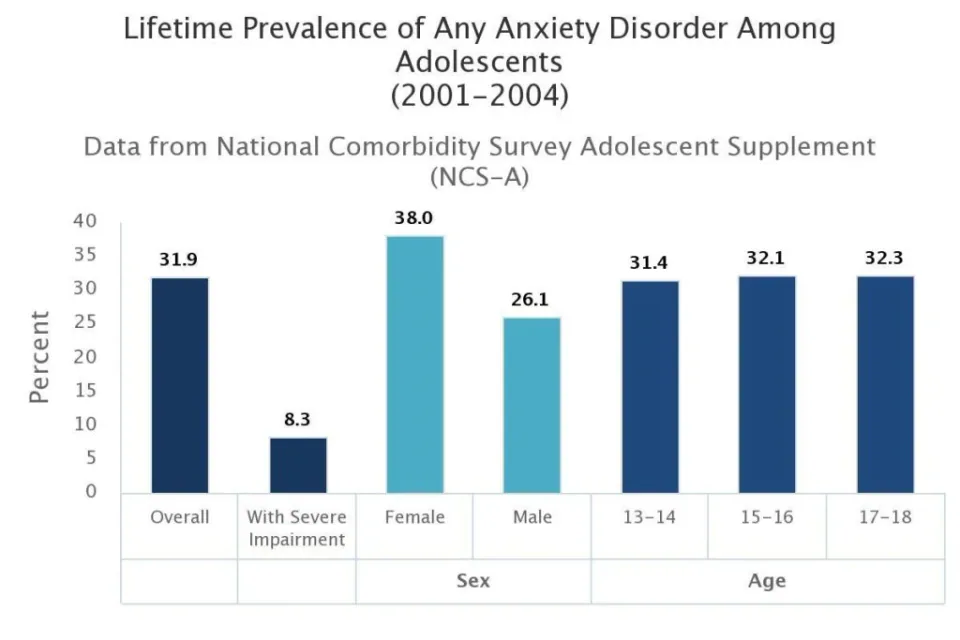
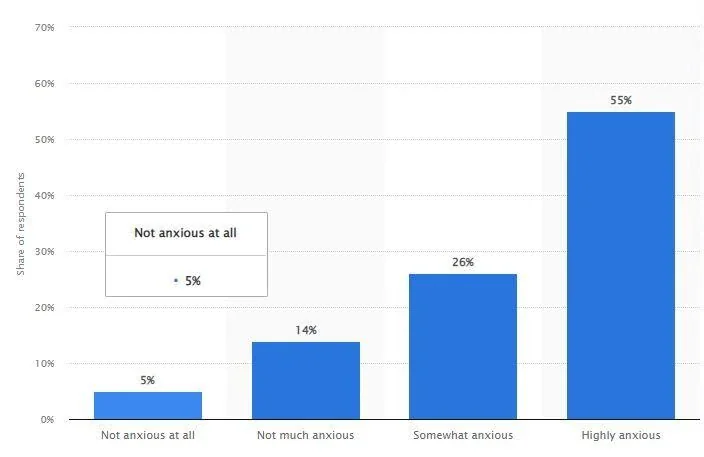
It’s no secret that teenagers today are under a lot of pressure. They’re constantly bombarded with messages about how they should look, how they should act, and what they should be doing with their lives. It’s no wonder that anxiety levels in teenagers are on the rise. In fact, teenage anxiety has been a concerning issue, especially since the pandemic.
Several reasons can contribute to anxiety in teenagers. One of the most common is social media. Teenagers constantly compare themselves to others and feel like they don’t measure up. Feelings of inadequacy and insecurity often originate in teenagers due to this. Other factors contributing to anxiety in teenagers include academic pressure, family conflict, and relationship problems. Regardless of the cause, it’s important to remember that you’re not alone. If you’re feeling anxious about yourself or your teenage child, there are people who can help you.
Rising Anxiety In Teenagers
Most of the time, anxiety or panic attacks occur in humans for many reasons. These could usually be the reaction to any situation that was unexpected or even difficult to be faced. While these feelings are common in almost all humans, the constant occurrence of these can be a tricky issue in the long run.
A common question adults in society raise is why teenagers would have anxiety at such a young age. And the short answer is that the reason can be anything and doesn’t have to be significant.
Most students feel a tight knot in their stomachs and feel pukish before attending an exam or going to school. Anxiety can come in different ways; it might, for instance, manifest itself as a common headache before a big and exciting event.
Listen without assuming that a young person is inventing symptoms or avoiding responsibility. A calm conversation can help you understand what is happening, and a qualified professional can assess persistent or severe difficulties.
Reasons For Anxiety In Teens
So the golden question is, “How to deal with anxiety among teens?” This can be solved by acknowledging and understanding the cause. The following are some common causes why teens might exhibit signs of anxiety.
Peer Pressure And Expectations From Adults
Maintaining a social life while being an all-around achiever might be challenging for most teenagers. Especially among people of this age, the future decisions to make, like going to prestigious colleges and having an esteemed profession, can feel like a lot to deal with.
Among their own expectations, high expectations from parents and others can also be a relevant reason for rising anxiety. Peer pressure is also a reason for the rise of social anxiety that comes from the norms of being fit in the group or having common skills to gain friendships.
Changes In Physical Appearance
Anxiety can be affected by several interacting factors, including a person’s experiences, circumstances and health. A short article cannot identify the cause for an individual young person.
Perception Of Others
How To Identify Early Signs Of Anxiety In Teens?
Changes in sleep, withdrawal, irritability or recurring physical complaints can have different causes. They are reasons to listen and, when needed, seek a qualified assessment rather than self-diagnose.
- Messed up sleep routines, which further fuels anxiety
- Drugs and alcohol use
- Stress due to high expectations in studies and grades
- Lack of self-confidence and self-conscious due to the physical changes
- Withdrawal from situations due to fear
- Recurring stomach or headaches
- Constant need for approval and irritable or lashing-out behaviors
What Help Can Be Provided?
Once anxiety issues are identified, it is advisable to get professional help and ensure that the teen is provided with love and care. Anxiety disorders can be a cause of depression. Hence, how to deal with anxiety can be answered with the help of a few things mentioned below.
Meet A Therapist Or A Counselor
A qualified mental-health professional can advise on an individual assessment and suitable care. Seek help when symptoms persist, cause distress or interfere with school, sleep, relationships or everyday life.
Talk With Others
This is for all the parents and elders who are trying to improve the situation of their teens. Have a constant discussion on matters that are troubling them. Be a friend and enable them to open up with you without fear. As for the teens, if not parents, reach out to someone like a friend with whom you feel free to discuss or can trust with the issues.
Meditation And Self-Love
This might seem silly, but meditation or going out for a walk to clear any thoughts can make a change. Be mindful of all the little things in life, and last but not least, make self-love a part of the lifestyle. Try doing something like a hobby that could make the mood pleasant, like reading a book or watching a favourite show when stressed.
Conclusion
Without proper treatment and help, anxiety can become a long-standing issue for teens and significantly affect their lives. Therefore seek medical help when required and try to include a healthy routine in everyday life.
NIMH: understanding stress and anxiety. This article is general educational information, not an assessment of a particular student.
Explore IPNET, IPSET, IPMED and Classic Commerce at SAJC, or visit with your parent for a counselling conversation.
Explore courses Plan a counselling visit →