
SAJC resources
The World of Careers Is Changing. Should Education Change With It?
Sri Amogha Junior College · Updated 4 November 2026
By Nikhilesh Bharadwaj, Director, Sri Amogha Institutions
Twenty years ago, many of today’s jobs were rare or didn’t exist in their current form. Social media manager. Data analyst. UX designer. Cybersecurity analyst. Fintech product manager. Today, they’re recognised careers, and the list keeps growing.
That raises a fair question for students and parents: if careers change this fast, should education stay focused only on textbooks and exams?
Our answer is no. But not for the reason you might think.
Fundamentals still matter. A lot.
Textbooks, exams and academic fundamentals haven’t become unimportant. They’re the foundation for every degree and profession that follows. A student weak in Maths will struggle in data science. A student who can’t write clearly will struggle in almost anything.
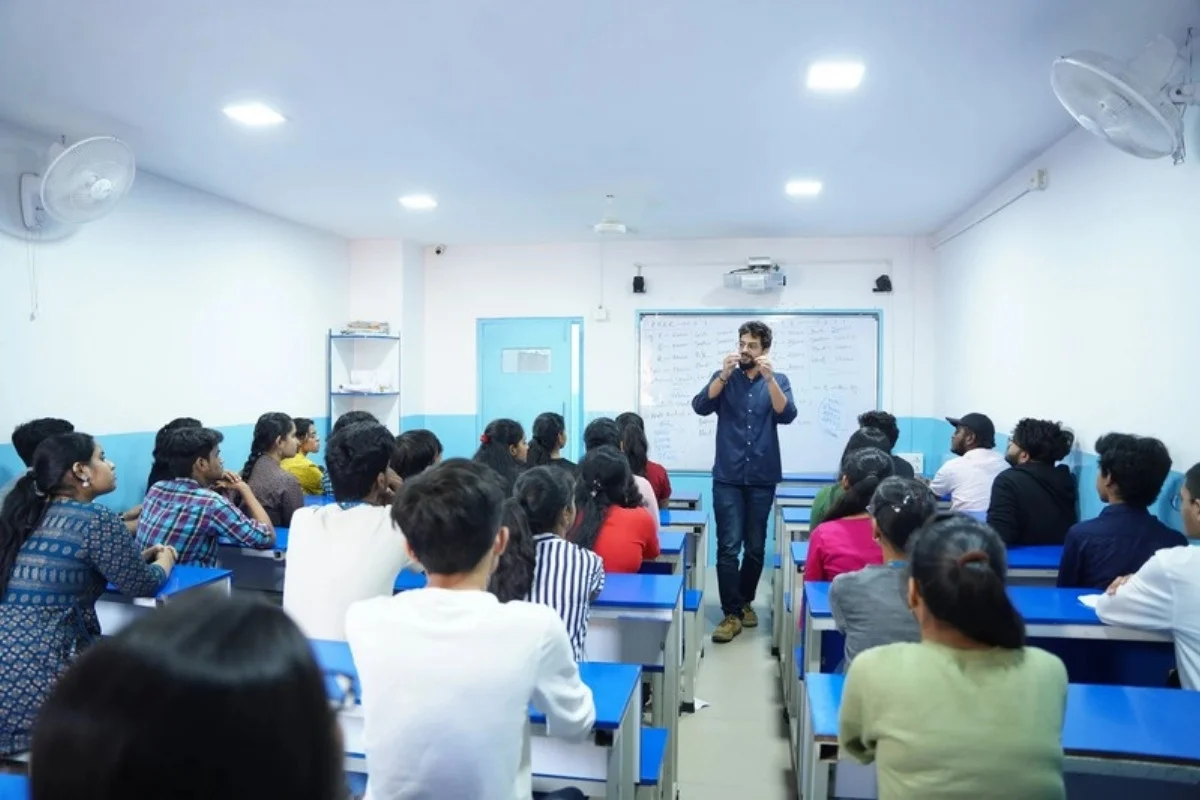
What students need is fundamentals plus the ability to keep learning.
A degree is a starting point, not the finish line
For earlier generations, the path was fairly linear:
Study a subject → earn a degree → enter a profession → build experience.
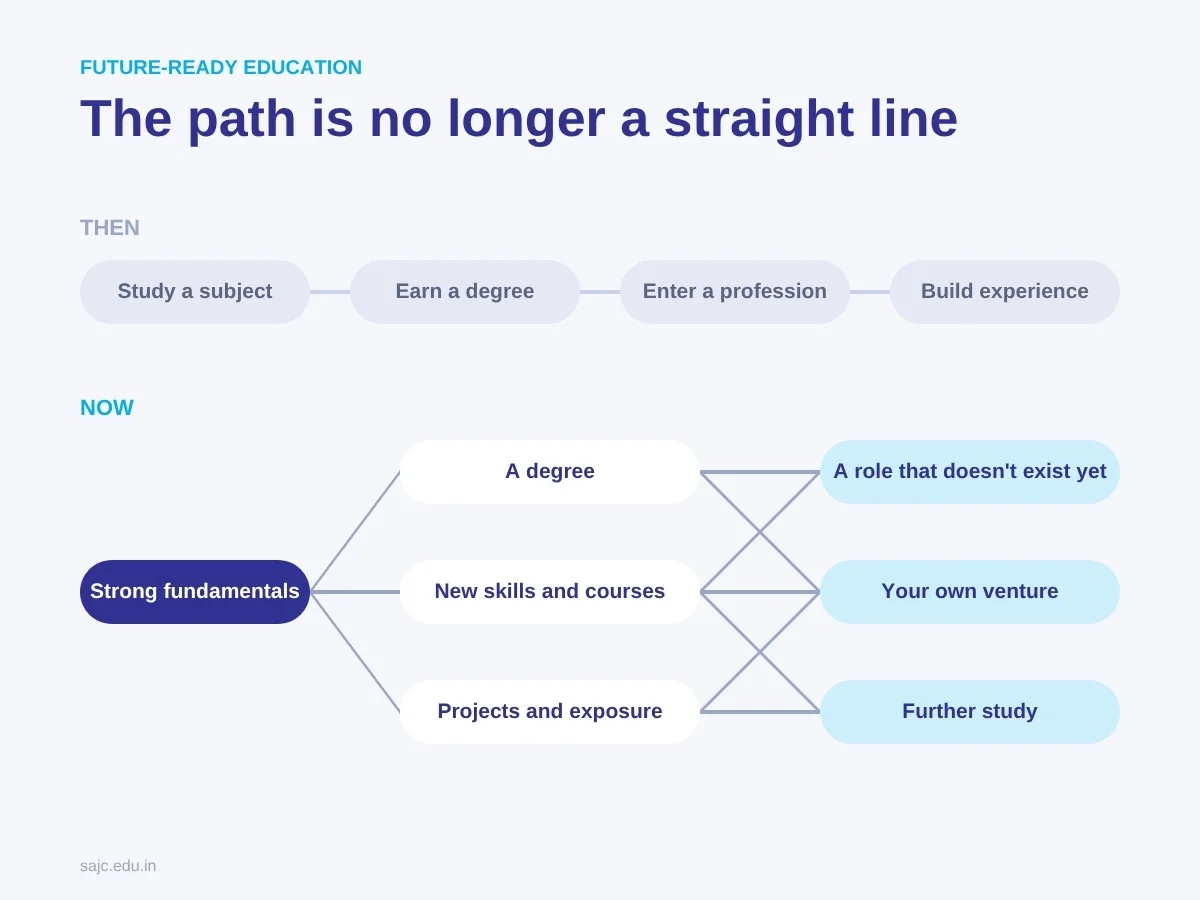
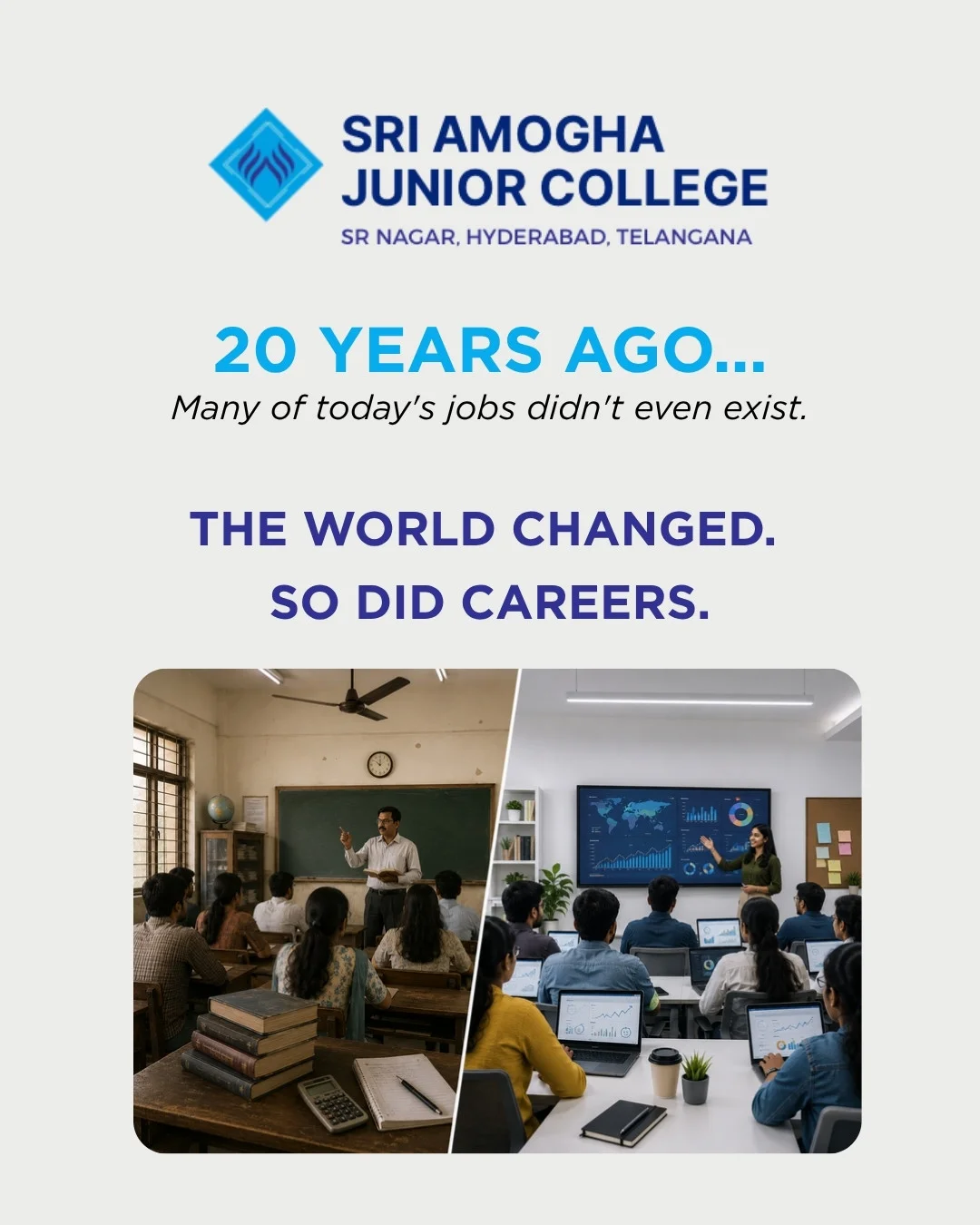
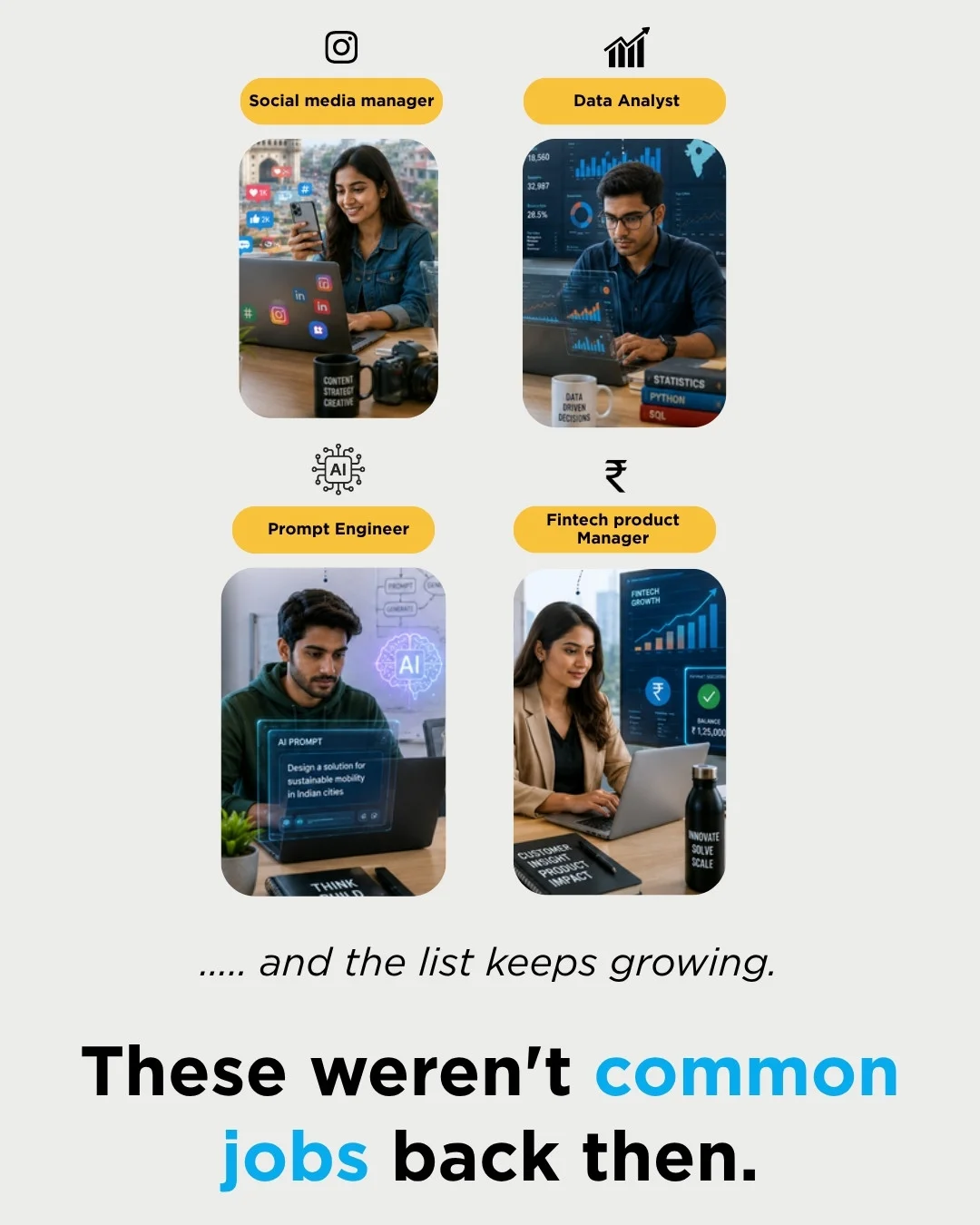
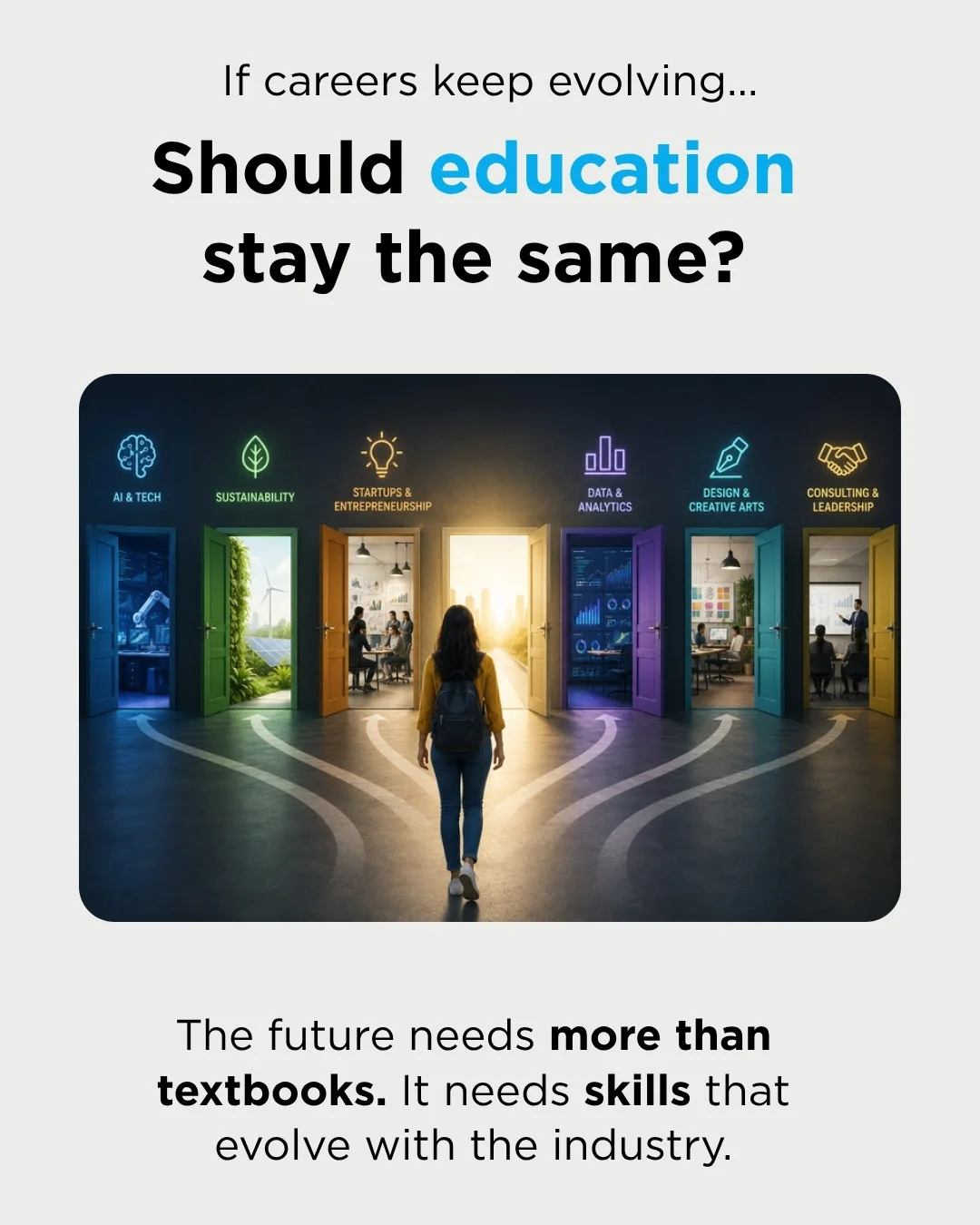
Today, technology changes how businesses run, how products are built and how people work. A student starting college now may end up in a role that looks very different from anything that exists today. The World Economic Forum’s Future of Jobs Report 2025 lists AI and big data, networks and cybersecurity and technological literacy among the fastest-growing skills, alongside creative thinking, resilience and curiosity.
The ability to adapt has become one of the most valuable skills a student can build.
What “future-ready” actually means
It doesn’t mean expecting a 16-year-old to become an AI expert. It means giving students a chance to see the world beyond their syllabus, early enough to discover what interests them.
- A student who has never seen data science can’t know if they’d enjoy it.
- A student who gets to try design may discover a talent they didn’t know they had.
- A student who hears a doctor, lawyer or founder talk about their work makes a better-informed choice later.
Exposure creates possibilities.
Skills and academics work together
There’s a false choice between academics and practical skills. Students don’t have to pick one.
| Built through academics | Built through exposure and activities |
|---|---|
| Conceptual understanding | Technology awareness |
| Problem-solving under exam conditions | Problem-solving on open-ended projects |
| Discipline and consistency | Communication and teamwork |
| Entrance exam readiness | Curiosity and adaptability |
The goal isn’t textbooks or skills. It’s strong academics + relevant skills + the habit of learning. (More on balancing hard and soft skills.)
What students can start doing right now
- Explore: find out what different industries actually do day to day.
- Experiment: try a small project or tool outside the syllabus.
- Learn: get comfortable with emerging areas instead of being intimidated by them.
- Communicate: practise explaining ideas, asking questions and working in a team.
- Stay curious: don’t limit learning to the next exam.
The goal isn’t to predict which job will exist in ten years. It’s to become the kind of learner who adapts when the world changes.
How we approach this at Sri Amogha
At Sri Amogha Junior College, this exposure sits alongside the regular syllabus, not instead of it:
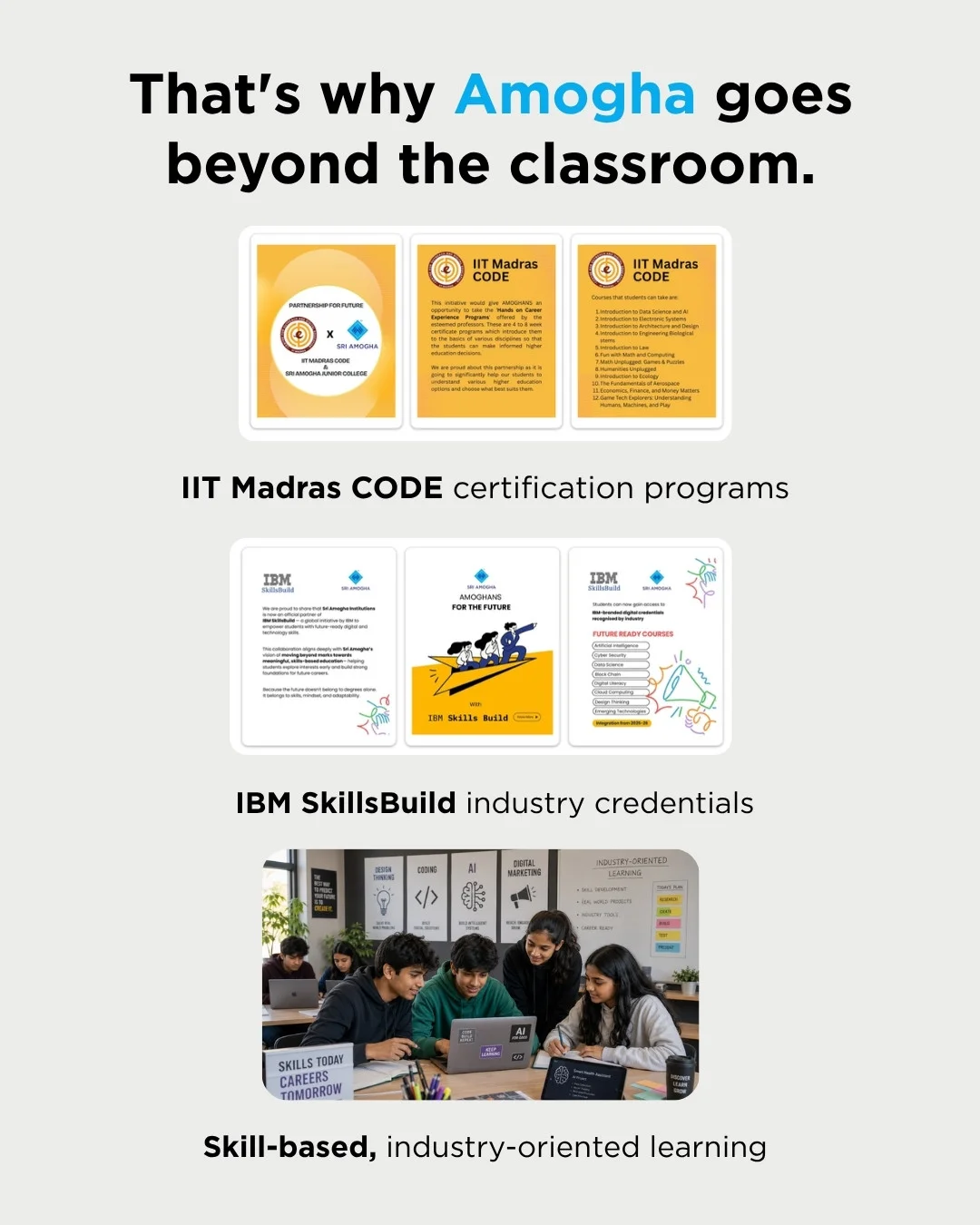
- IIT Madras School Connect: SAJC is listed as a partner of IIT Madras’s CODE school programme, which gives students introductory exposure to new subjects and fields. (More here.) It’s exposure, not an assurance of admission to IIT Madras.
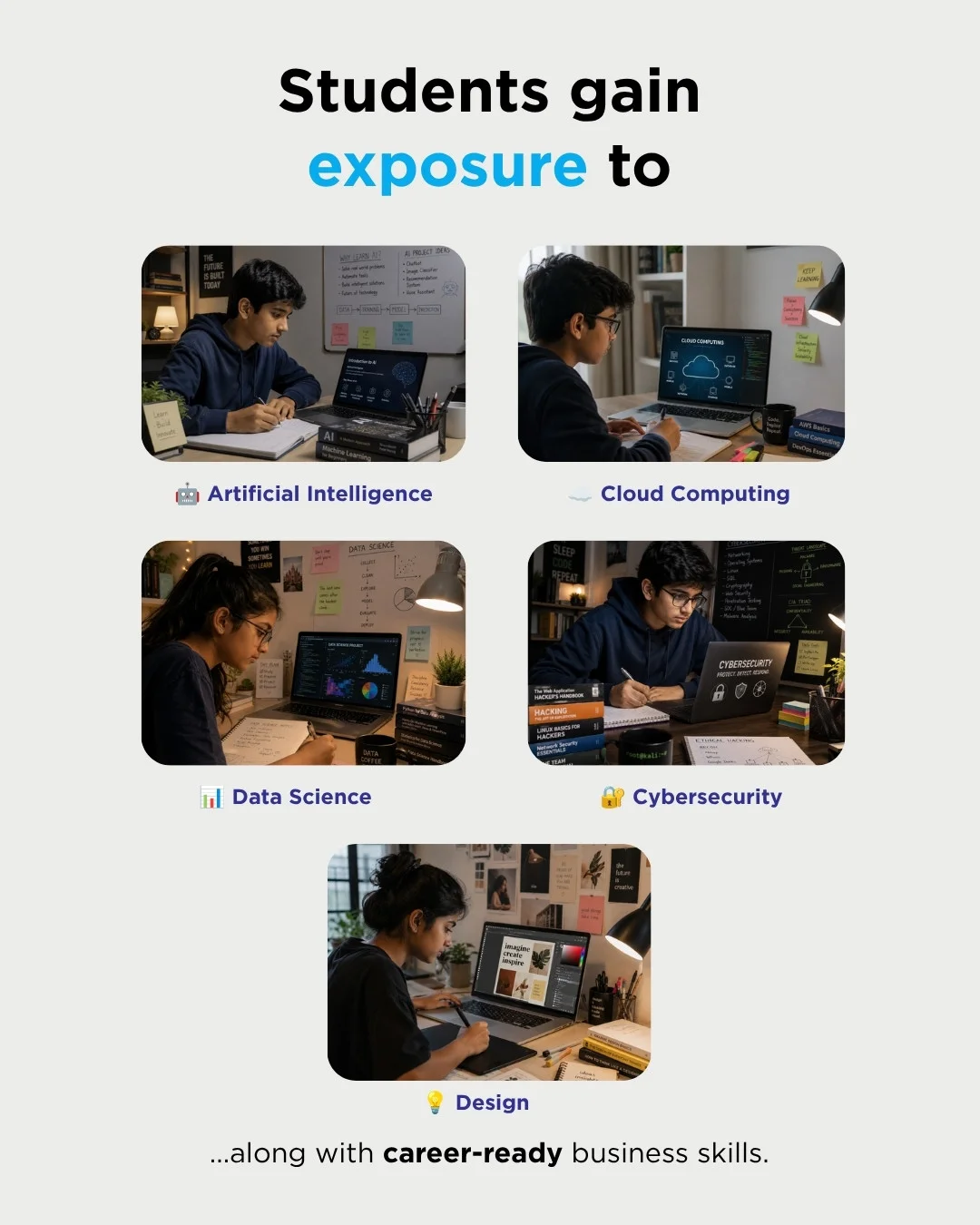
- IBM SkillsBuild: students can work towards digital credentials from IBM in areas such as AI, data and cybersecurity.
- Microsoft for Education: every student gets a Microsoft Education account with Teams, Outlook and OneDrive, with AI features where age rules and licences allow.
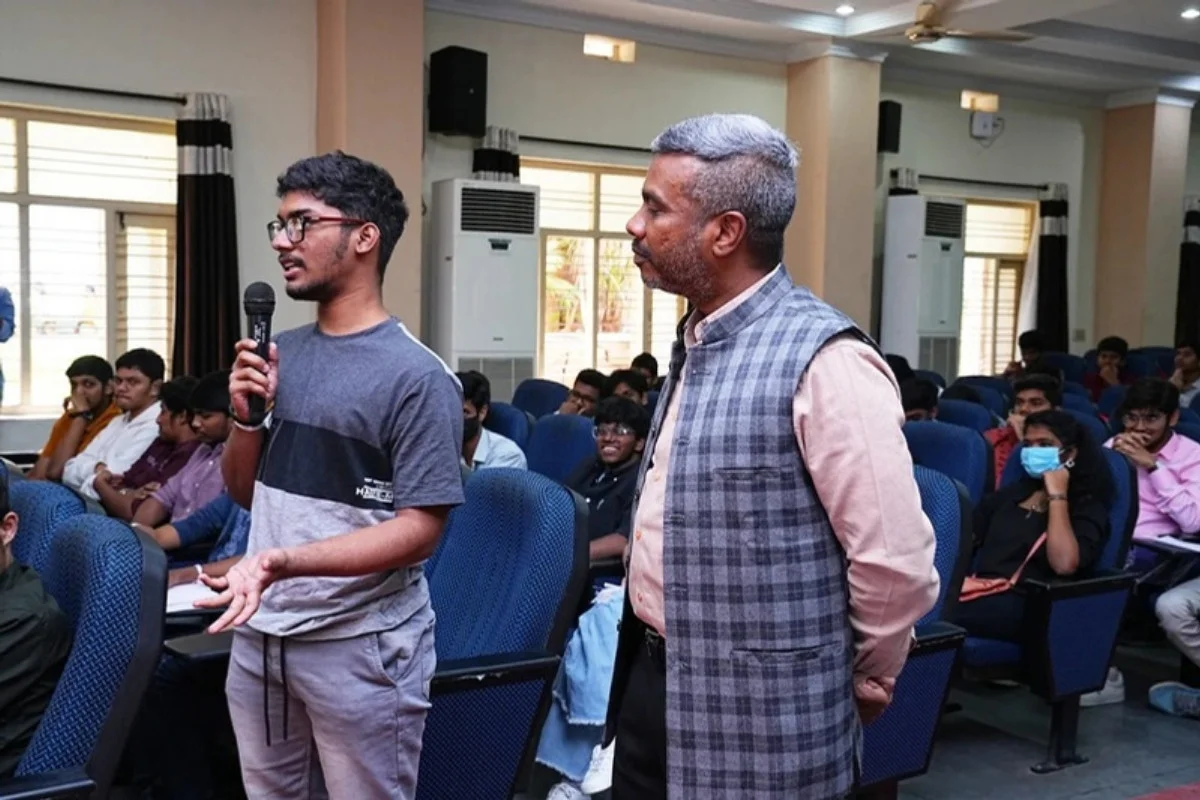
- Safar, our career exploration initiative: students and parents meet professionals from engineering and technology, business and law, healthcare and biosciences, and design, architecture and film. (About Safar.)
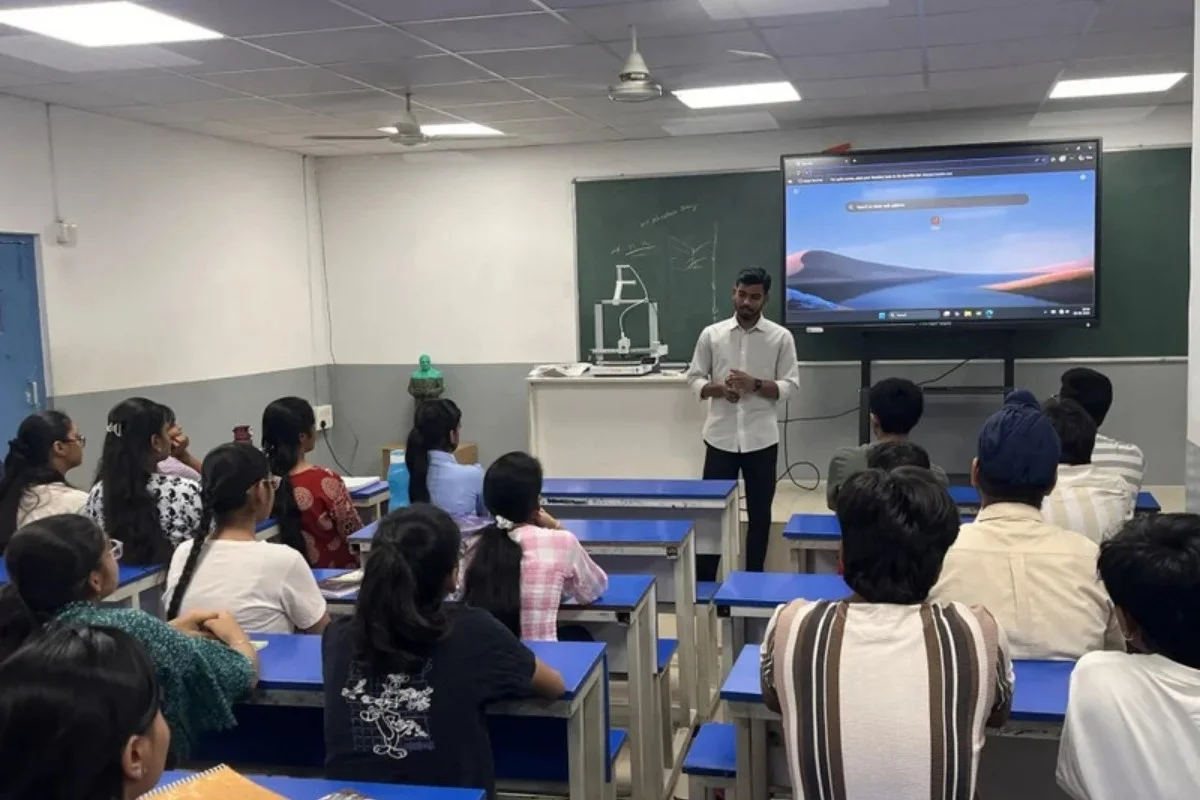
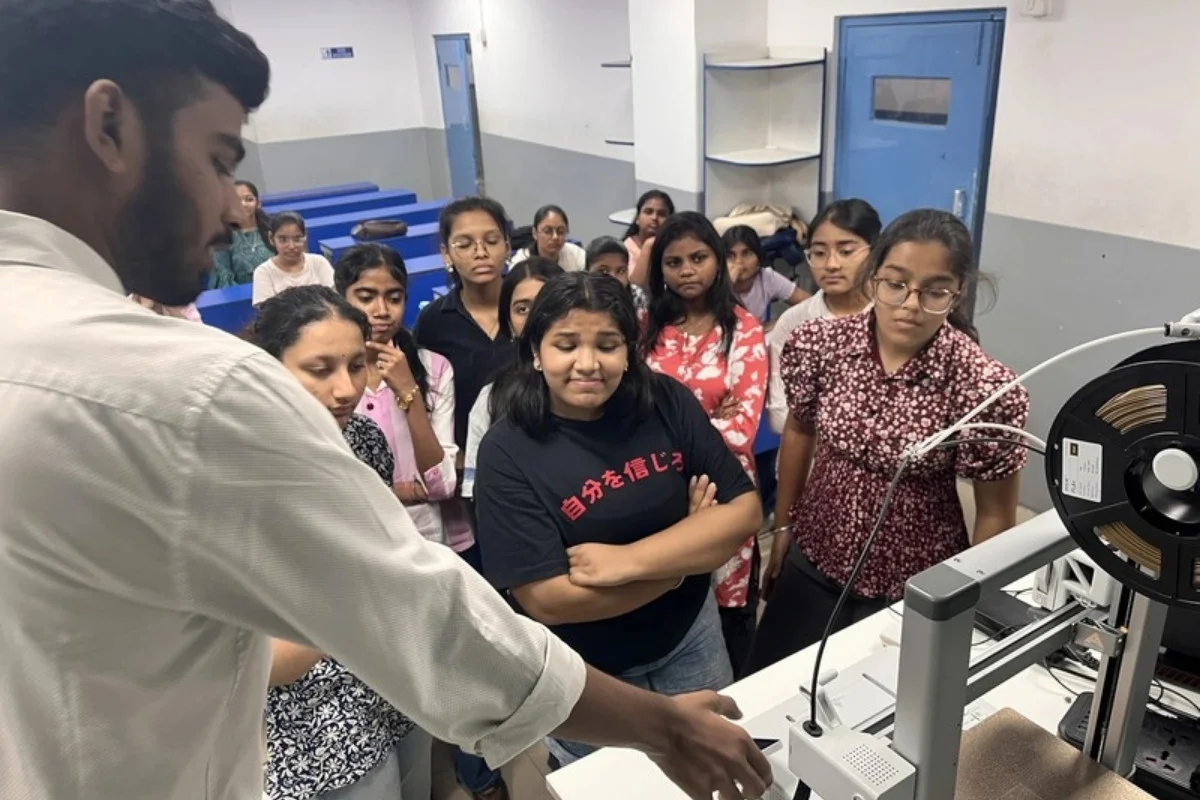
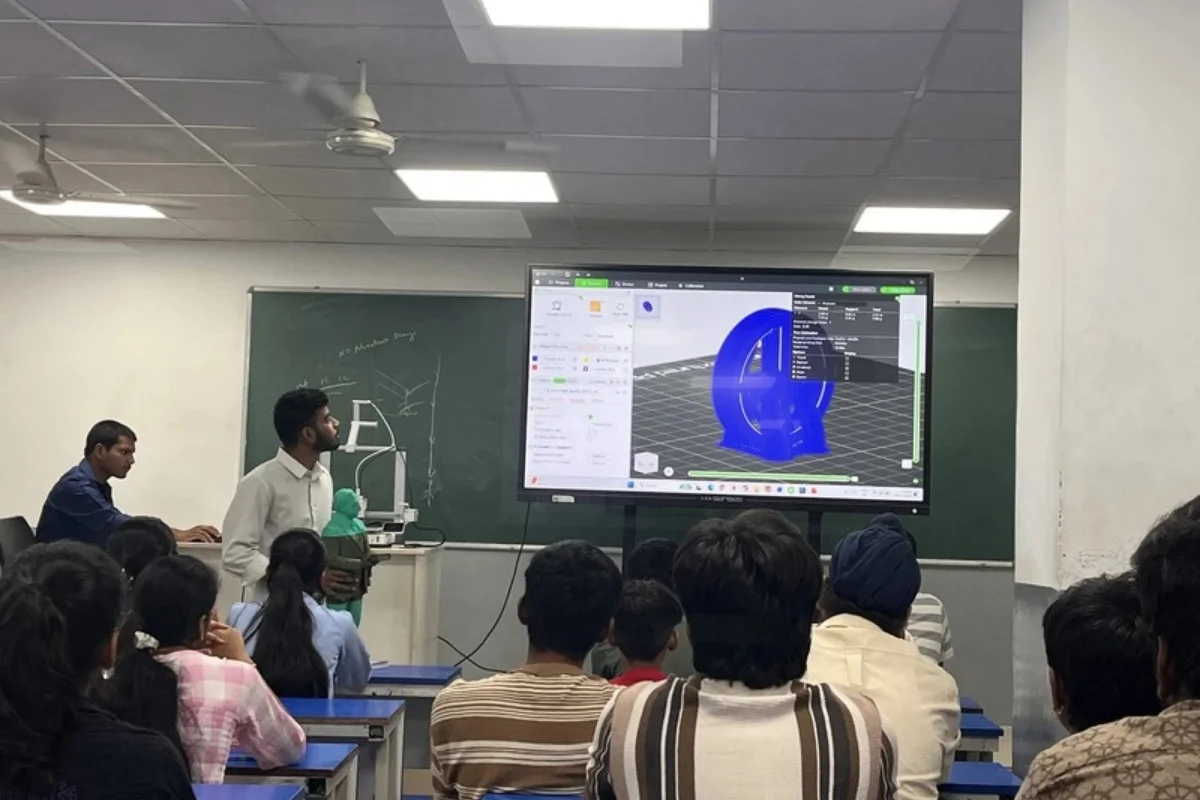
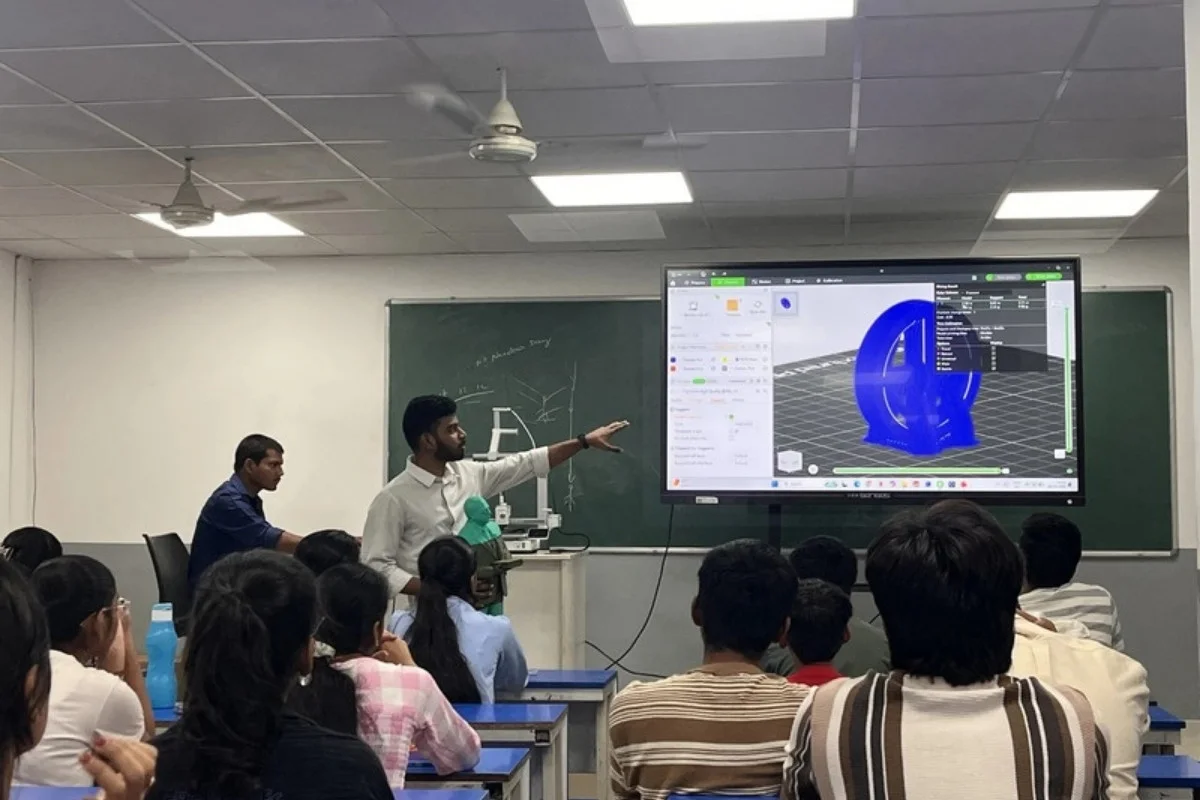
- Workshops and field visits: hands-on sessions such as 3D printing and digital design. (See our field visits and workshops.)
YouTube loads when you choose. Its privacy terms apply.
YouTube loads when you choose. Its privacy terms apply.
We don’t want to prepare students only for jobs that exist today. We want them able to stay relevant as careers evolve.
Frequently asked questions
What skills will students need in the future?
Strong fundamentals, plus technology literacy, analytical and creative thinking, communication and the ability to keep learning.
Should Intermediate students learn AI or coding?
Exposure helps, but it doesn’t need to replace the syllabus. Starting with curiosity and small projects is enough at this stage.
Do skills matter more than marks?
No. Marks still open doors to good colleges and entrance exams. Skills and adaptability help students make the most of those opportunities.
The bottom line
The goal of education isn’t just a degree. It’s the knowledge, skills and adaptability to keep growing in a world that keeps changing. Want to see how this fits each stream? Explore our courses.
Admissions for 2027–28 are open at Sri Amogha Junior College, SR Nagar. Not sure which stream fits? Talk it through with us before you decide. Book a career-counselling conversation · Download the brochure · See all courses
Explore IPNET, IPSET, IPMED and Classic Commerce at SAJC, or visit with your parent for a counselling conversation.
Explore courses Plan a counselling visit →