
SAJC resources
Gaming and Teenagers: Enjoyment, Habits and Balance
Sri Amogha Junior College · Updated 31 October 2026
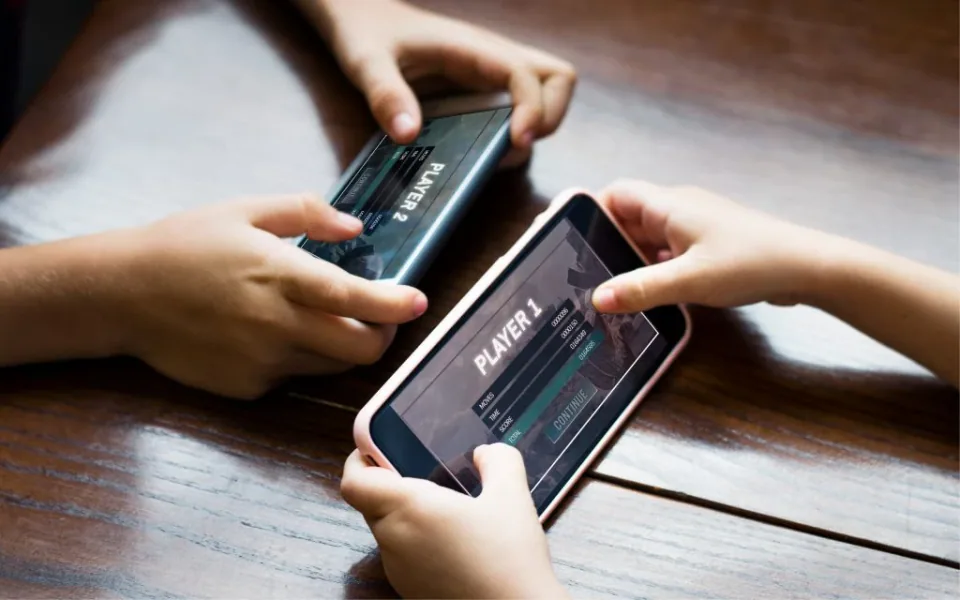
Games can be enjoyable and can offer social interaction, but their effects depend on the game, the player and the place gaming takes in daily life. Playing does not automatically make a teenager addicted or smarter.
A game may ask players to coordinate, react or work with others. That is a description of the activity, not proof of lasting improvements in intelligence or general decision-making.
Think about the student’s experience
Rather than treating a game as a guaranteed brain-training tool, notice what the student enjoys and how play affects study, sleep, relationships and other interests. Skills used in a game do not automatically transfer to every part of life.
But How much is too much?
Online gaming or mobile gaming could be a good technique to engross the kid or get like-minded people through an online community. Primary school students, High school students, Intermediate college students, and above, you can see all into gaming these days. But it is not easy to diagnose the line between enjoying the hobby and letting it affect someone negatively. People who play video games consistently must find out at what point playing games become detrimental to them. World Health Organization has tried to address this issue and has named it ‘gaming disorder’.
What is Instant Gratification?
Gratification plays a key role in everyone’s Life and Career and acts as a motivator of human behavior. It engrosses emotions, happiness, desires and a goal too. It stems from the accomplishment of social needs that might be socializing, social approval or mutual recognition.
WHO distinguishes gaming disorder from ordinary gaming by the loss of control and significant disruption to functioning, rather than a simple hour limit. Read the WHO explanation.
Explore IPNET, IPSET, IPMED and Classic Commerce at SAJC, or visit with your parent for a counselling conversation.
Explore courses Plan a counselling visit →