10 Good Junior Colleges in Hyderabad: 2026 Guide

Table of Contents
ToggleIntroduction:
- Choosing the right junior college for 11th and 12th grade is a critical decision that shapes a student’s academic future.
- Hyderabad offers a wide range of good junior colleges that cater to different student needs, from specialized coaching for competitive exams like NEET, JEE, and EAMCET, to a more holistic approach to education.
- This guide will help you understand how to select the 10 good junior colleges in Hyderabad, focusing on key factors such as academic programs, coaching options, faculty expertise, and student support systems.
- By carefully considering these factors, you can choose a junior college that supports your academic plans and future career direction.
How We Assessed Good Junior Colleges in Hyderabad for the 2026 Academic Year
- Choosing a good junior college for intermediate education is a crucial decision that affects both academic performance and personal development during 11th and 12th grade.
- For the 2026 academic year, our assessment is designed to help students and parents understand what truly defines a good junior college in Hyderabad beyond rankings or advertisements.
- We assessed junior colleges by focusing on factors that directly impact student success in board examinations and competitive entrance exams.
- Instead of short-term achievements or promotional claims, the assessment emphasizes consistency, teaching quality, learning environment, and student support throughout the intermediate journey.
- This methodology reflects real student needs such as clarity in teaching, academic discipline, stress management, and access to academic guidance.
- Colleges that align well with these aspects are more likely to provide a stable and supportive learning experience.
- Our assessment framework considers multiple dimensions of intermediate education, including academic outcomes, faculty involvement, infrastructure, and student-centric support systems.
- These elements collectively influence a student’s ability to stay focused, perform consistently, and plan future academic pathways with confidence.
- The detailed factors used in this assessment are presented in the table below, making it easier to understand how good junior colleges in Hyderabad are identified for the 2026 academic year.

Key Evaluation Criteria for Good Junior Colleges in Hyderabad (2026)
- Choosing a good junior college for intermediate education involves looking beyond surface-level claims and focusing on the factors that genuinely influence a student’s academic performance and overall well-being.
- For the 2026 academic year, the following criteria represent the key aspects that help define the quality and reliability of junior colleges in Hyderabad.
- These factors collectively reflect how well a college supports students during 11th and 12th grade, particularly in balancing board examinations with competitive entrance exam preparation.
| Evaluation Aspect | What It Represents |
| Integrated Coaching | The extent to which the intermediate syllabus is aligned with structured coaching for competitive exams such as JEE, NEET, and EAMCET, helping students prepare for both board exams and entrance tests without academic overload. |
| Academic Curriculum | A well-structured curriculum that focuses on core subjects like Physics, Chemistry, Biology, and Mathematics, with an exam-oriented approach that supports consistent academic performance. |
| Faculty Expertise | The presence of experienced, subject-specific faculty who provide concept clarity, regular assessments, doubt resolution, and academic mentoring to guide students effectively. |
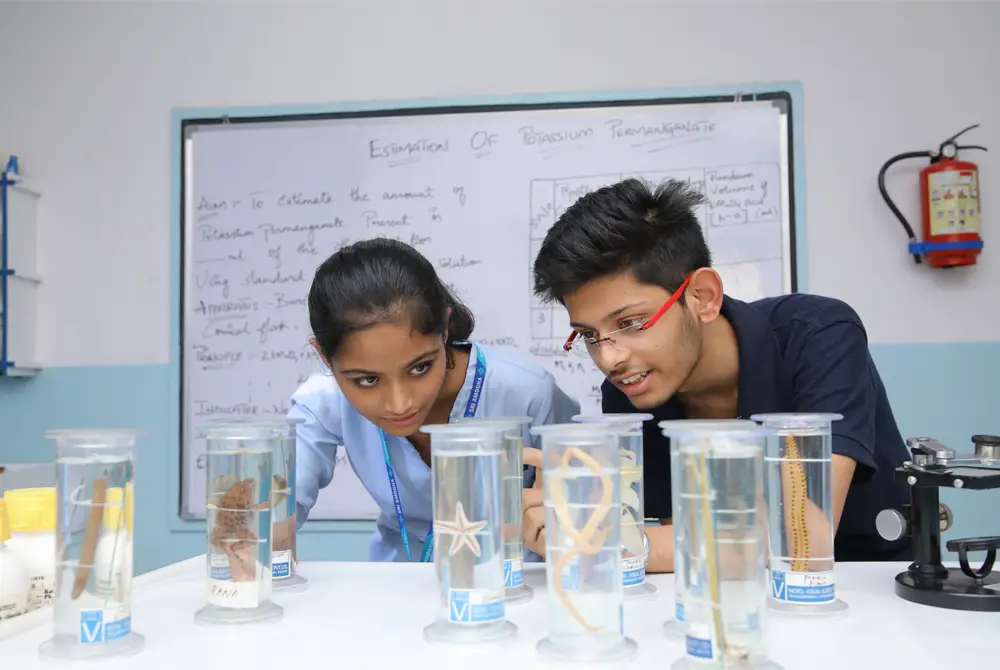
| Infrastructure & Laboratories | Availability of modern classrooms, well-equipped science laboratories, libraries, and computer labs that create a conducive and distraction-free learning environment. |
| Student Support & Well-being | Access to academic mentoring, counseling support, and stress-management practices that help students maintain emotional balance and stay focused throughout the academic year. |
| Hostel & Residential Facilities | Availability of hostel, semi-residential, or day-boarding options that promote disciplined routines, time management, and a structured academic lifestyle. |
An Example of a Good Junior College in Hyderabad: Sri Amogha Junior College
- Choosing a good junior college for intermediate education is especially important for students preparing for board examinations alongside competitive entrance exams such as JEE, NEET, EAMCET, commerce, or design entrance tests.
- A well-structured junior college typically aligns its academic framework with the key evaluation criteria discussed earlier.
- Based on those criteria, Sri Amogha Junior College can be considered as one example of how an intermediate institution in Hyderabad aligns academics, guidance, and student support in practice.
- Sri Amogha Junior College follows a structured intermediate education model that balances board exam preparation with entrance exam readiness.
- The college focuses on helping students manage both academic responsibilities within a single, integrated learning framework rather than treating them as separate tracks.
As part of its intermediate education framework, Sri Amogha Junior College offers integrated academic programs that align the Intermediate Public Examination (IPE) syllabus with competitive entrance exam preparation. This integrated approach is intended to reduce syllabus overlap and help students manage time and academic pressure more effectively during 11th and 12th grade.
The integrated academic pathways include:
- Engineering Entrance Preparation
Programs such as CPNET (for national-level exams like JEE, BITSAT, and VITEEE) and IPSET (for state-level exams such as TS & AP EAPCET/EAMCET) support students aiming for engineering pathways. - Medical Entrance Preparation
CPMED is designed for students preparing for medical entrance exams, including NEET, while continuing their intermediate syllabus. - Commerce and Professional Foundation Pathways
Commerce-focused students can opt for CCP (supporting CUET, IPMAT, and related entrances) and IPCP, which provides foundational preparation for CA and CMA alongside intermediate studies. - Design and Creative Aptitude Preparation
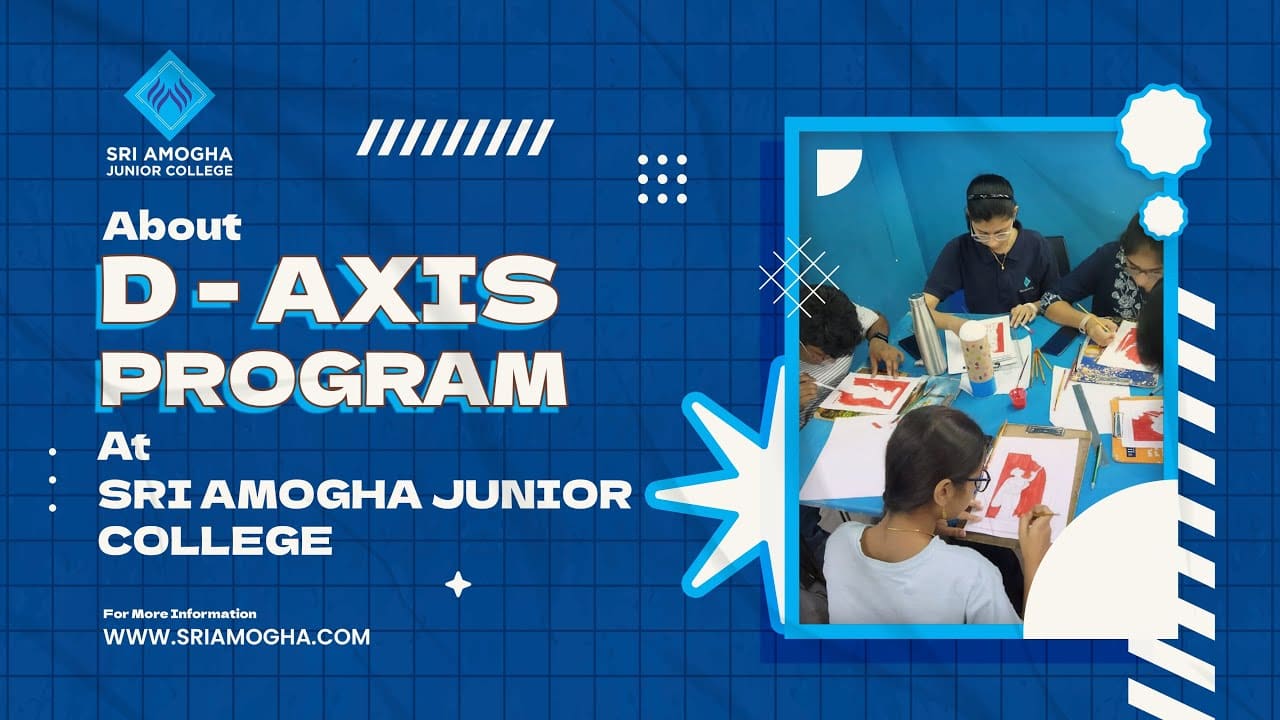
The D-Axis Program supports preparation for design entrance exams such as NID, NIFT, and UCEED.
These integrated programs are structured to support students who plan to pursue higher education immediately after intermediate education, while maintaining consistent preparation for board examinations.
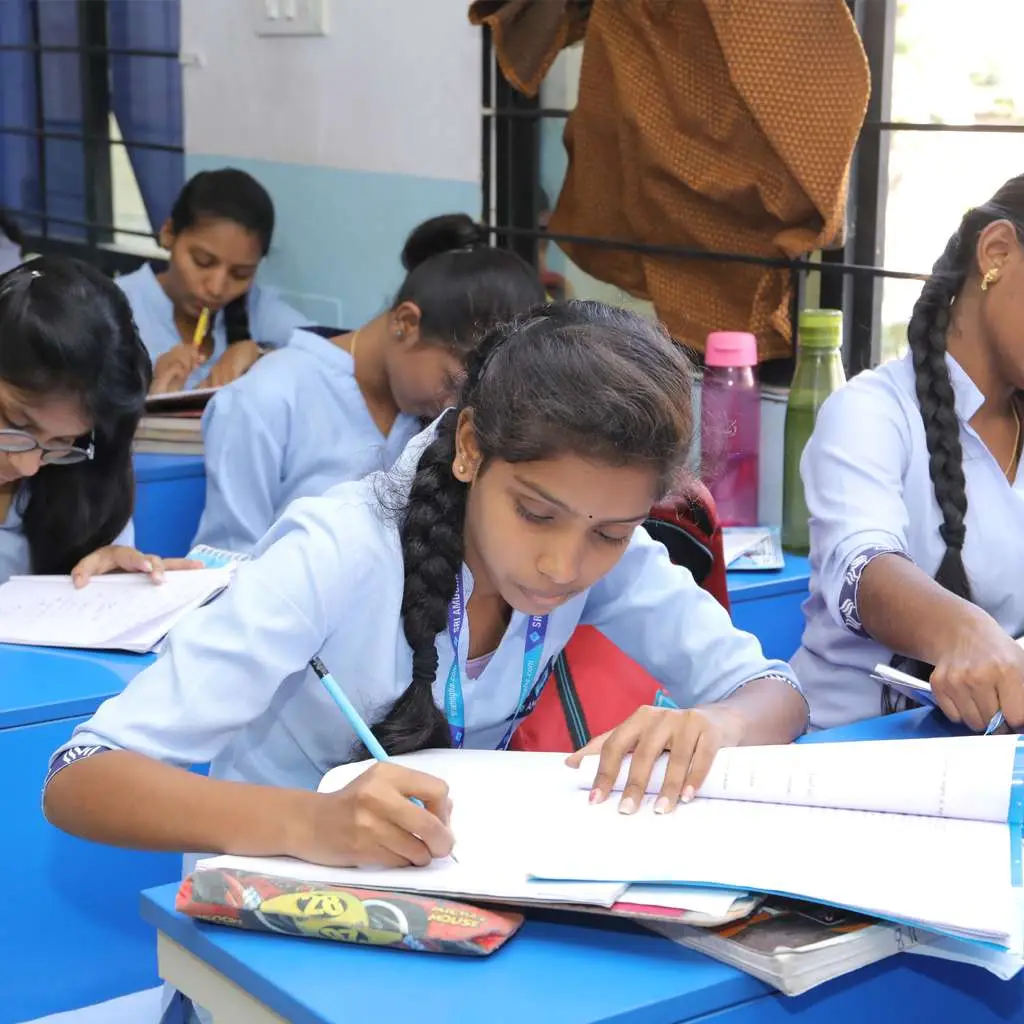
- The academic curriculum follows the prescribed intermediate syllabus with an emphasis on concept clarity, structured assessments, and gradual progression.
- This approach helps students remain consistent in board exam preparation while building familiarity with entrance exam patterns over time.
- Faculty involvement plays a key role in the learning process. Subject-specific teachers handle classroom instruction, assessments, and academic guidance, allowing students to receive consistent feedback and support.
- Regular interaction between students and faculty helps address doubts early and maintain academic continuity.
- Alongside academics, student well-being is considered an essential part of intermediate education.
- The learning environment is structured to support discipline, routine, and academic focus, while also helping students manage stress during demanding academic phases.
- The college provides essential learning infrastructure such as classrooms, laboratories, and study resources required for intermediate education.
- These facilities support day-to-day academic activities and practical learning needs.
- A semi-residential model is followed, allowing students to spend structured academic hours on campus while returning home in the evenings.
- This model helps maintain a balance between disciplined study routines and family support.
Affordability and accessibility are also factors that families consider while choosing a junior college. The fee structure is designed to keep intermediate education accessible while supporting academic delivery.
As an example, this type of academic model may suit students who:
- Want integrated preparation for board and entrance exams
- Prefer structured academic routines
- Benefit from consistent faculty guidance
- Seek a balanced intermediate learning environment
Why Sri Amogha Junior College Is Shared as an Example
- When applying the evaluation criteria discussed earlier, it becomes easier to understand how certain junior colleges align with the qualities students and parents look for during intermediate education.
- One such example is Sri Amogha Junior College, which reflects several of the key academic and student-support factors outlined in this guide.
- This example is shared to help readers see how integrated academics, faculty guidance, infrastructure, and student support can come together within a single intermediate education model.
- Rather than serving as a comparison, it demonstrates how the evaluation criteria can be applied in practice.
- The following section features a video titled “Why Sri Amogha”, which visually explains this approach and provides additional context on how the college functions as an example of a good junior college in Hyderabad.
Factors to Consider Before Finalizing a Good Junior College in Hyderabad
- Choosing the right junior college for intermediate education is an important decision that shapes a student’s academic foundation and future career direction.
- Before finalizing a college, students and parents should carefully evaluate several practical and academic factors to ensure the institution aligns with individual goals, learning preferences, and daily requirements.
- Every student learns differently. Some students perform well in structured and competitive environments, while others benefit more from a balanced and supportive academic setting.
- Understanding a student’s learning style and selecting a college that complements it can significantly improve academic engagement and consistency during 11th and 12th grade.
- Intermediate education plays a key role in preparing students for higher studies.
- Whether a student is aiming for engineering, medical, commerce, or design pathways, it is important to choose a college that offers academic programs and integrated coaching aligned with those goals.
- Colleges that align board exam preparation with relevant entrance exams help students stay focused and organized.
- Daily travel and accommodation arrangements can directly affect a student’s routine and energy levels.
- Long commutes may lead to fatigue and reduced study time. Evaluating the college’s location, transport options, and availability of hostel or semi-residential facilities can help ensure a structured and stress-free academic schedule.
- Beyond tuition fees, families should consider the overall cost of education, including accommodation, transportation, and other academic expenses.
- Colleges that offer transparent fee structures, flexible payment options, or installment plans make it easier for parents to plan finances without unexpected burdens.
- Faculty experience and consistency are critical to effective learning. Colleges with stable, subject-specific faculty and accessible mentoring systems are better equipped to support students academically.
- Personalized guidance, regular assessments, and timely doubt resolution contribute to improved academic confidence and performance.
Conclusion
Choosing the Right Junior College in Hyderabad
- Choosing the right junior college for intermediate education is an important step in a student’s academic journey.
- The decision should be based on individual learning needs, academic goals, and the level of support a college provides during the 11th and 12th grade years.
- Throughout this guide, we have discussed the key evaluation criteria that define good junior colleges in Hyderabad, including integrated academic programs, faculty guidance, infrastructure, student support systems, and overall learning environment.
- Using these factors as a reference can help students and parents assess colleges objectively and avoid decisions based solely on reputation or short-term outcomes.
- Before finalizing a junior college, it is advisable to gather detailed information, understand the academic structure, and evaluate how well the institution aligns with long-term goals.
- Visiting campuses, interacting with faculty, and clarifying academic expectations can provide valuable insights into whether a college is the right fit.
- Ultimately, the right junior college is one that supports both academic consistency and personal development, helping students build a strong foundation for higher education and future career pathways.
FAQs
1. What makes a junior college a good choice for intermediate education?
- A good junior college offers a balanced academic structure, experienced faculty, integrated coaching for entrance exams, proper infrastructure, and strong student support systems that help students perform consistently in both board and competitive exams.
2. How should parents evaluate junior colleges in Hyderabad?
- Parents should evaluate junior colleges based on academic results, faculty stability, integrated coaching options, infrastructure, student support, residential facilities, and overall learning environment rather than relying only on reputation or advertisements.
3. Is integrated coaching important during intermediate studies?
- Yes, integrated coaching helps students prepare for board exams and competitive entrance exams simultaneously. It reduces syllabus overlap, improves time management, and helps students handle academic pressure more effectively.
4. Which entrance exams are commonly supported by junior colleges in Hyderabad?
- Most junior colleges support preparation for exams such as JEE, NEET, EAMCET, CUET, IPMAT, and design entrance exams, depending on the academic stream and integrated programs offered.
5. How important is faculty experience in a junior college?
- Faculty experience plays a crucial role in concept clarity, exam preparation, and student confidence. Colleges with stable, subject-specific faculty and accessible mentoring systems generally provide better academic support.
6. Do hostel or semi-residential facilities matter for intermediate students?
Yes, residential or semi-residential facilities can help students maintain a structured daily routine, reduce travel fatigue, and stay focused on academics, especially during demanding intermediate years.
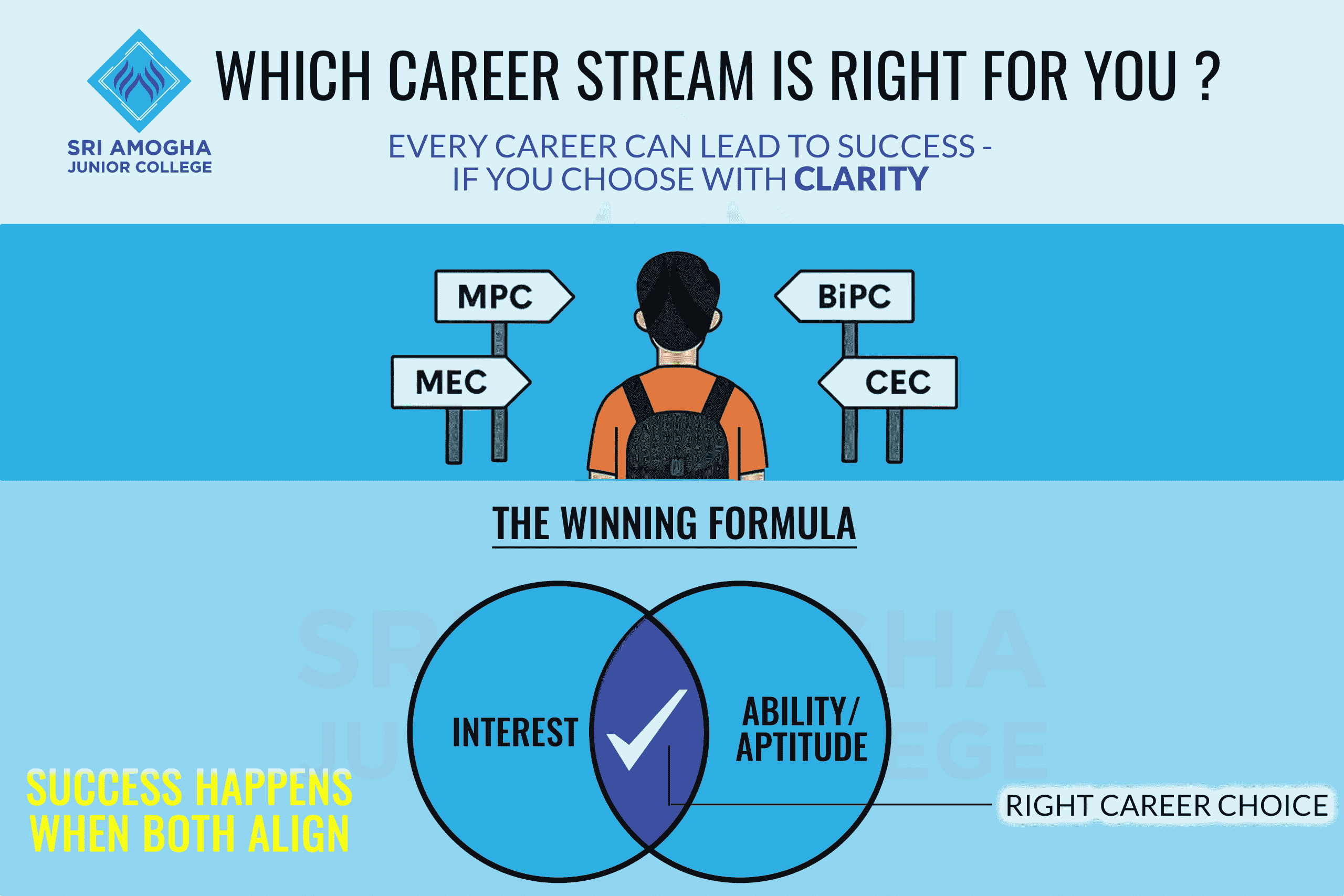
7. How can students choose the right stream in intermediate education?
- Students should choose their stream based on academic interest, long-term career goals, and aptitude. Consulting teachers, understanding entrance exam requirements, and evaluating college support for each stream can help in making the right decision.
8. Is campus infrastructure important for intermediate education?
- Proper infrastructure such as classrooms, laboratories, libraries, and safe learning spaces supports effective learning and practical understanding, especially for science and technology-oriented streams.
9. Should students visit colleges before finalizing admission?
- Yes, visiting campuses helps students and parents understand the learning environment, teaching approach, facilities, and academic culture, making it easier to decide whether a college is the right fit.
10. Is there a single “best” junior college for all students in Hyderabad?
- No. The best junior college varies based on a student’s learning style, academic goals, entrance exam targets, and support needs. Using clear evaluation criteria helps identify the most suitable option for each student.